




Product Introduction
A pilot ladder is an essential maritime tool used for the safe transfer of pilots to and from vessels, particularly in harbors and coastal waters.
The primary purpose of the pilot ladder is to provide a safe and efficient means for pilots to board ships, particularly when navigating narrow or congested waterways.
The ladder must be securely rigged to the vessel, ensuring that it hangs vertically and is free of obstacles. It should be inspected before use to confirm its integrity.
Pilots typically use the ladder during calm weather; however, it is designed to accommodate certain levels of sea and swell. Communication between the vessel crew and the pilot is crucial during boarding.
Regular inspections and maintenance of pilot ladders are critical to ensure their reliability and safety. This includes checking for wear and tear, ensuring the integrity of the ropes and steps, and compliance with safety standards.
Product Parameter (specification)
Materials:
- Short Step
Material: European Dried Beech Wood or Rubber Tree Wood (Dried)
Size: 525*115*28mm, anti-skid grooves on the surface; Holes: Diameter 25mm. Both end wax dipped. No paint.
- Long Step (Spreader)
Material: European Dried Beech Wood or Rubber Tree Wood (Dried)
Size: 1800*115*28mm, anti-skid grooves on the surface; Holes Diameter: 25mm. Both end wax dipped. No paint.

- Rubber Step
Material: Black Rubber with strong steel frame embedded;
Size: 525*115*45mm, anti-skid pattern on the surface;
Holes Diameter: 25mm.
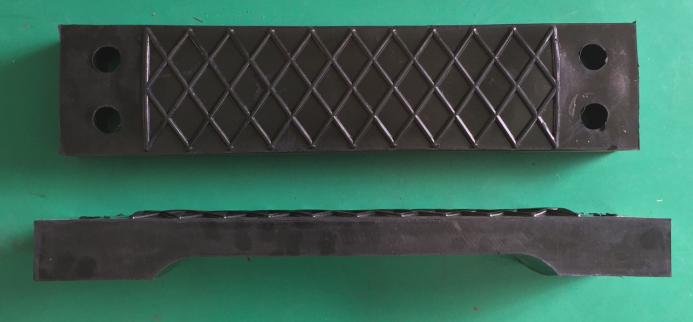
- Thimble: Stainless Steel 304.

- Chock (Wedge piece): ABS Plastic.
Work pressure of the alarm whistle: 5.5±0.5MPa
The whistle will alarm upon the cylinder pressure is under 5.5 MPa till the air exhausts.
Air consumption: 5 L/ minute
Sound level: 90db
Frequency: 3800HZ

- Clamp:
Aluminum alloy ferrule, 5mm thick, polished without sharp edges or burrs.

- Side Rope
Material: Pure 3-strand Sisal rope, Diameter: 22mm
Tensile strength: more than 24kN

Construction


Product feature and application
The pilot ladder is a crucial tool in maritime operations, ensuring the safe and efficient transfer of pilots to and from vessels. Its robust design, safety features, and compliance with regulations make it an indispensable component of maritime safety practices.
Applications of a Pilot Ladder
a)Pilot Boarding:
Primarily used for pilots to safely board and disembark from vessels in harbors, bays, and other navigable waters.
b)Emergency Evacuation:
Can serve as an emergency exit for crew members in case of onboard emergencies.
c)Navigation Assistance:
Used by harbor pilots who navigate ships through complex waterways, ensuring safe passage in confined or congested areas.
d)Vessel Inspections:
Allows inspectors and surveyors to access vessels safely for inspections and maintenance tasks.
e)Training:
Used in training scenarios for pilots and crew to practice safe boarding and disembarking techniques.
Product qualification
MED approved by RINA or DNV
Testing Standard: IMO Res A.1045(27) as amended; ISO 799-1:2019
Reference Standards: SOLAS 74 Reg. V/23, IMO Res. A.1045(27), IMO MSC/Circ.1428
Deliver, shipping and service
Normally packed in rolls and packed on pallet.
Download
FAQ
Q: What is the primary purpose of a pilot ladder?
A: The primary purpose of a pilot ladder is to facilitate the safe boarding and disembarking of marine pilots from vessels, especially in harbors and coastal waters.
Q: What materials are typically used to construct a pilot ladder?
A: Pilot ladders are commonly made from durable hardwood, aluminum, or composite materials for the steps, while the side ropes are made from strong manila ropes or synthetic fibers.
Q: How wide is a standard pilot ladder?
A: A standard pilot ladder typically has a width of around 0.525 meters.
Q: What are the safety features of a pilot ladder?
A: Safety features include anti-slip steps, strong side ropes with built-in handholds.
Q: What regulations govern the use of pilot ladders?
A: Pilot ladders must comply with international safety regulations, such as the SOLAS (Safety of Life at Sea) Convention, which outlines specifications for their design, construction, and maintenance. And Pilot Ladders must be designed and made to the latest version of ISO799.
Q: How should a pilot ladder be deployed?
A: The pilot ladder should be securely rigged to the side of the vessel, ensuring it hangs vertically and is free from obstacles, and it must be inspected for safety before use.
Q: Can a pilot ladder be used in rough sea conditions?
A: While pilot ladders are designed to accommodate some sea conditions, their use should be evaluated based on the current weather and wave conditions to ensure safety.
Q: How often should a pilot ladder be inspected?
A: Pilot ladders should be inspected regularly, ideally before each use, and undergo thorough checks periodically as part of vessel maintenance routines.
Q: What should a pilot do if the ladder is deemed unsafe?
A: If a pilot determines the ladder is unsafe, they should communicate with the vessel's crew to either rectify the issue or postpone boarding until a safe method is established.
Q: Are there training requirements for using pilot ladders?
A: Yes, both pilots and crew members should receive training on safe boarding procedures and the proper use and maintenance of pilot ladders.
Q: What certifications can you provide?
A: We offer MED B and D approval by DNV or RINA as per Directive 2014/90/EU on marine equipment (MED).
Q: What are the payment terms of EMF Marine?
A: Normally T/T 100% in advance for small orders. T/T 30% against order and balance before shipment for large orders. But we can discuss on special payment terms for some special orders.
Q: What are your general delivery terms?
A: EXW, FOB are the general terms we offer. CIF, FCA is less and less offered due to quick changes on freight in current unstable shipping market.
Hot Tags: pilot ladder, China pilot ladder manufacturers, suppliers, factory, Pilot Ladder, Embarkation Ladder MED, Embarkation Ladder, Pilot Ladder MED, rope ladder and spares


